Mapping the Interplay Between Progressive Jackpots and Swiss Regulatory Frameworks in Mobile Casino Environments
Ines Wolf · Aug 24, 2026
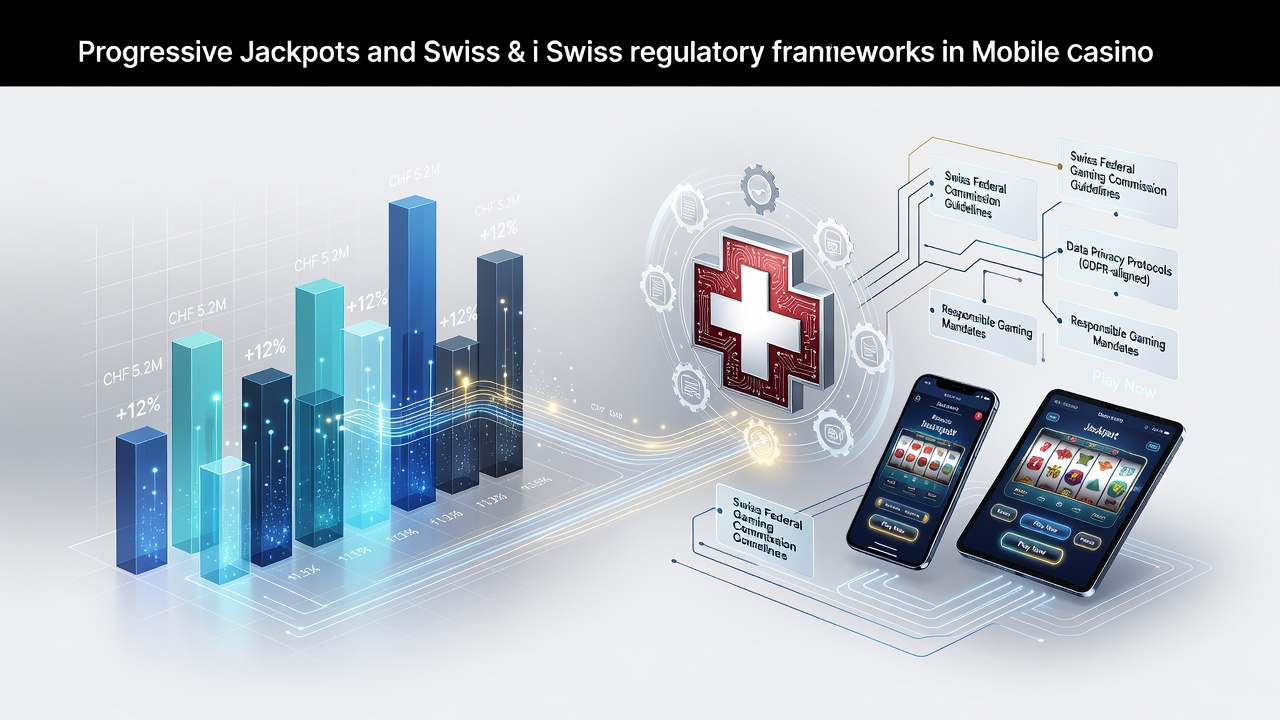
Mapping the Interplay Between Progressive Jackpots and Swiss Regulatory Frameworks in Mobile Casino Environments
Swiss regulatory frameworks shape how progressive jackpots operate within mobile casino environments, and the Federal Act on Gambling which took effect in 2019 established licensing requirements that apply equally to online and mobile platforms. Operators must secure authorization from cantonal or federal bodies before offering games where jackpot pools grow with each wager placed across connected machines or networks.
Progressive jackpots function by diverting a small percentage of each bet into a shared prize pool, and this mechanism creates the potential for substantial payouts that attract players on smartphones and tablets throughout Switzerland. Mobile environments introduce additional layers because software must integrate with licensed payment systems and comply with data protection standards enforced under the same act.
Core Elements of Swiss Gambling Legislation
The Gambling Act distinguishes between casino games and lotteries while setting strict rules for cross-border offerings, and mobile operators targeting Swiss residents fall under these provisions which prohibit unlicensed platforms from advertising or accepting deposits from within the country. Researchers at Swiss universities have documented how these rules influence jackpot structures because any progressive element must remain transparent and auditable by oversight bodies.
Data from regulatory filings shows that only a limited number of licensed casinos currently provide mobile access to progressive titles, and this limitation stems from technical requirements around real-time pool synchronization that must respect Swiss server mandates. Observers note that the law requires operators to maintain separate accounting for jackpot contributions so that funds cannot leave the licensed ecosystem.
Progressive Jackpot Mechanics in Mobile Settings
Software providers design mobile progressive jackpots to link multiple games across devices, yet Swiss rules demand that the entire system undergo testing and certification before deployment. This process verifies that random number generators operate fairly and that the jackpot seed amounts plus contribution rates align with approved payout percentages.
One study released by a European research consortium found that mobile jackpot games generate higher average player engagement metrics compared with fixed-prize slots, and Swiss licensees must report these figures quarterly to demonstrate ongoing compliance. The reporting obligation extends to tracking how often jackpots trigger and whether winners reside within approved jurisdictions.
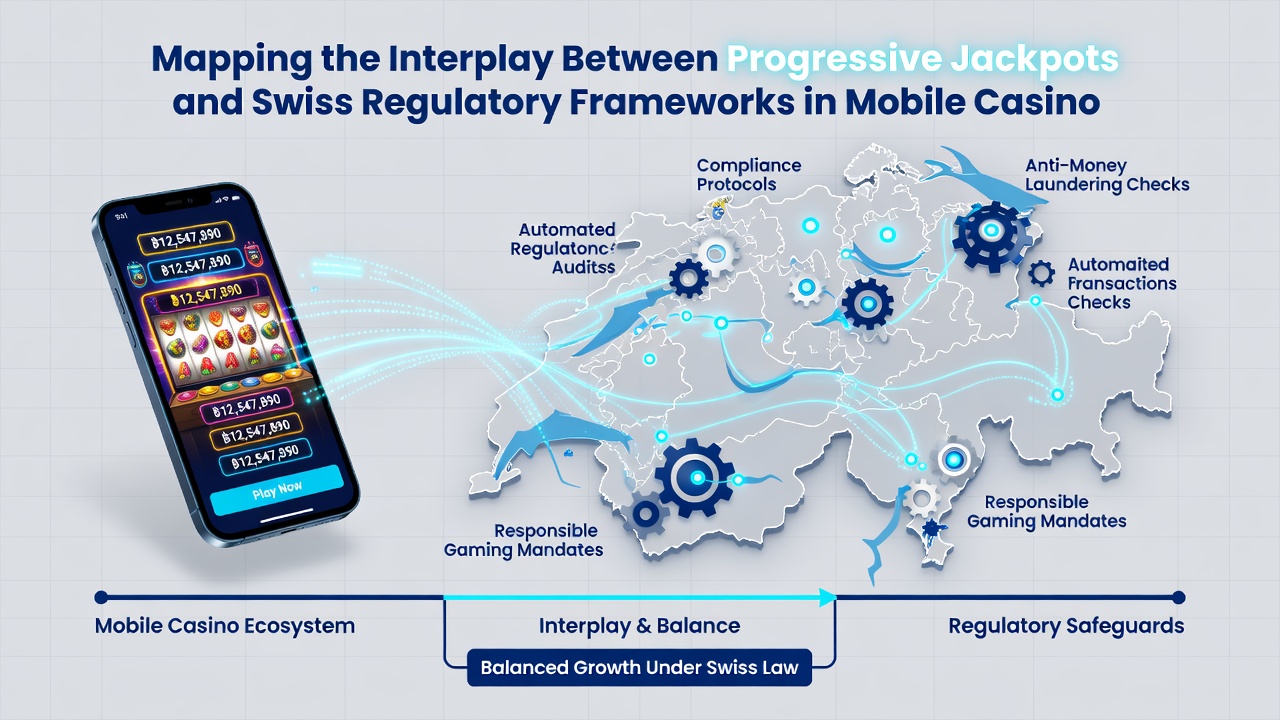
Technical and Compliance Challenges
Mobile platforms require continuous internet connectivity for jackpot updates, and Swiss regulations address this by mandating fallback procedures that prevent play when licensed connections drop. Operators therefore implement geo-fencing and identity verification layers that activate before any progressive bet is accepted.
Industry reports indicate that integration costs for Swiss-compliant mobile progressive systems exceed those in less regulated markets because each software update needs fresh approval cycles. This creates a slower release pace for new jackpot titles compared with neighboring countries, and data compiled through 2025 shows an average approval timeline of four to six months for major updates.
Developments Anticipated by August 2026
Authorities have scheduled a comprehensive review of mobile gambling provisions for August 2026, and this examination will assess whether current jackpot pooling rules require adjustment to accommodate emerging cross-device technologies. Preliminary documents released by the Federal Gaming Board outline potential changes to contribution caps and minimum seed values that could affect how operators structure new mobile offerings.
Stakeholders in the sector continue to submit position papers that analyze player behavior data from existing licensed apps, and these submissions focus on maintaining consumer protections while allowing jackpot growth. Figures from the Swiss Federal Statistical Office reveal steady increases in mobile gambling participation since the 2019 legalization, which adds weight to discussions around regulatory evolution.
Conclusion
The interplay between progressive jackpots and Swiss regulatory frameworks in mobile casino environments rests on licensing, transparency, and technical certification requirements that remain consistent across device types. Ongoing data collection and the upcoming 2026 review will supply additional evidence about how these rules function in practice, while operators continue to adapt their systems to meet all applicable standards.